
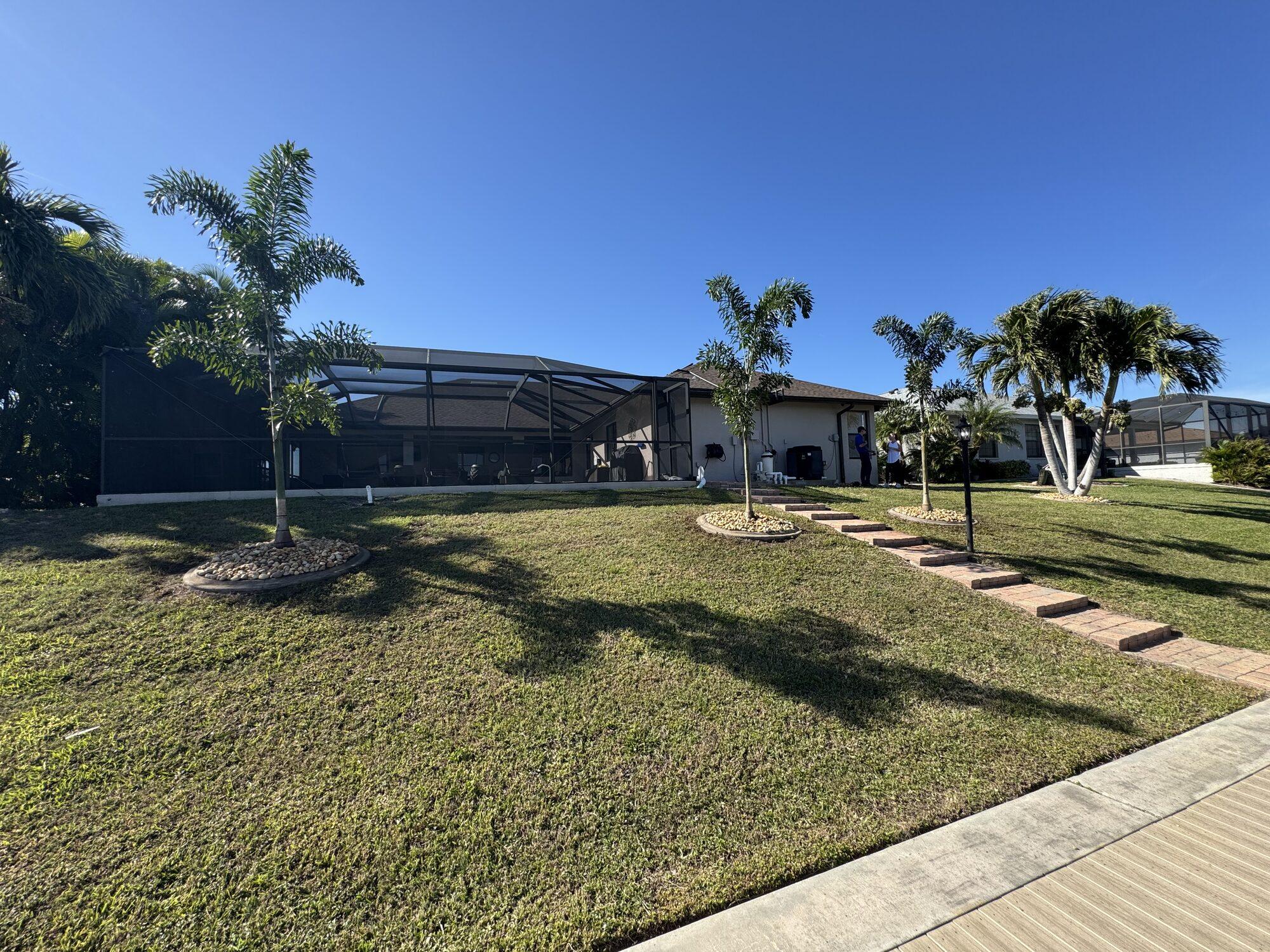
Maintaining an inviting and well-kept community entrance is a priority for HOA boards and property managers in Cape Coral, Florida. Effective landscaping not only enhances curb appeal but also reflects the professionalism and care of the community.
Soil Considerations in Cape Coral
Cape Coral’s soil is primarily composed of sandy loam, which drains quickly and can be prone to nutrient leaching. To maintain healthy plants at community entrances, it’s important to:
- Use soil amendments like compost or organic matter to improve water retention and nutrient levels.
- Choose plants that are adapted to sandy soils, such as native species or those with deep root systems.
- Regularly test soil pH to ensure it remains within the optimal range for the plants selected.
For more information on how to manage soil in your area, visit our service areas page for Cape Coral.
Managing Salt and Coastal Exposure
Many neighborhoods in Cape Coral are within close proximity to the Gulf of Mexico, exposing landscape plants to salt spray and high wind. This can lead to leaf burn, stunted growth, and overall plant stress. To mitigate these effects:
- Select salt-tolerant plants, such as sea oats, wax myrtle, and sabal palms.
- Install windbreaks or use hedges to reduce the impact of salt and wind.
- Rinsing plants with fresh water during high salt periods can help reduce damage.
Heat and Sun Exposure
Cape Coral experiences high temperatures and intense sunlight, especially during the summer months. Landscape plants at community entrances are often exposed to direct sun for extended periods. To combat heat stress:
- Choose heat-tolerant plant varieties that thrive in full sun.
- Provide partial shade where possible, using structures like pergolas or strategically placed trees.
- Use mulch around plantings to help retain soil moisture and reduce heat absorption.
Rainy and Dry Season Planning
Cape Coral has distinct wet and dry seasons, which can impact landscape health. During the dry season, plants may experience drought stress, while the rainy season can lead to root rot and fungal issues. To maintain a resilient landscape:
- Install irrigation systems that are efficient and adaptable to seasonal changes.
- Use drought-resistant plants during the dry season and ensure proper drainage during the rainy season.
- Regularly inspect and maintain irrigation systems to prevent overwatering or dry spots.
Navigating HOA Rules and Lee County Norms
Each HOA has specific rules and regulations regarding landscape design, plant selection, and maintenance. In Lee County, there are also local guidelines that may affect community entrances. To ensure compliance:
- Review and understand your HOA’s landscape policies before making any changes.
- Coordinate with your HOA board to ensure that any new design or maintenance plan aligns with community standards.
- Work with a professional who is familiar with Lee County landscaping norms and HOA requirements.
If you need help with a landscape design or installation that meets your HOA’s standards, learn more about our services.
Call to Action
Maintaining a welcoming and well-kept community entrance requires thoughtful planning and consistent care. Whether you’re looking to refresh your current landscape or start from scratch, BCQ Landscaping is here to help. Call (239) 799-5594 or text (239) 763-0625 to schedule a consultation and take the first step toward a more attractive and functional entrance. Contact us today to get started.
Dealing with High Humidity and Fungal Growth
Cape Coral’s high humidity levels create the perfect environment for fungal growth, especially in shaded or poorly ventilated areas of community entrances. This can lead to issues like leaf spot, root rot, and other plant diseases. To combat these challenges:
- Choose plant varieties that are resistant to fungal infections, such as certain types of hibiscus or native grasses.
- Ensure proper air circulation by avoiding overcrowding of plants and using open-space designs.
- Regularly prune and remove any diseased or dead plant material to prevent the spread of fungi.
- Apply organic mulches that help regulate moisture and reduce soil splashing, which can contribute to fungal spore spread.
Managing Pest Pressure from Local Insects and Rodents
The warm, subtropical climate of Southwest Florida supports a wide range of insect and rodent populations, which can pose a threat to landscape plants and hardscape features. In community entrances, pests such as palmetto bugs, stink bugs, and even small rodents may seek shelter in dense vegetation or mulch piles. To manage these threats:
- Use native plants that have natural resistance to local pests, reducing the need for chemical treatments.
- Keep mulch layers thin and avoid piling it against structures, which can attract pests and create hiding spots.
- Install motion-activated lighting or use natural deterrents like citrus peels or peppermint oil to discourage unwanted wildlife.
- Schedule regular inspections to identify early signs of pest activity and address them before they become a larger issue.