
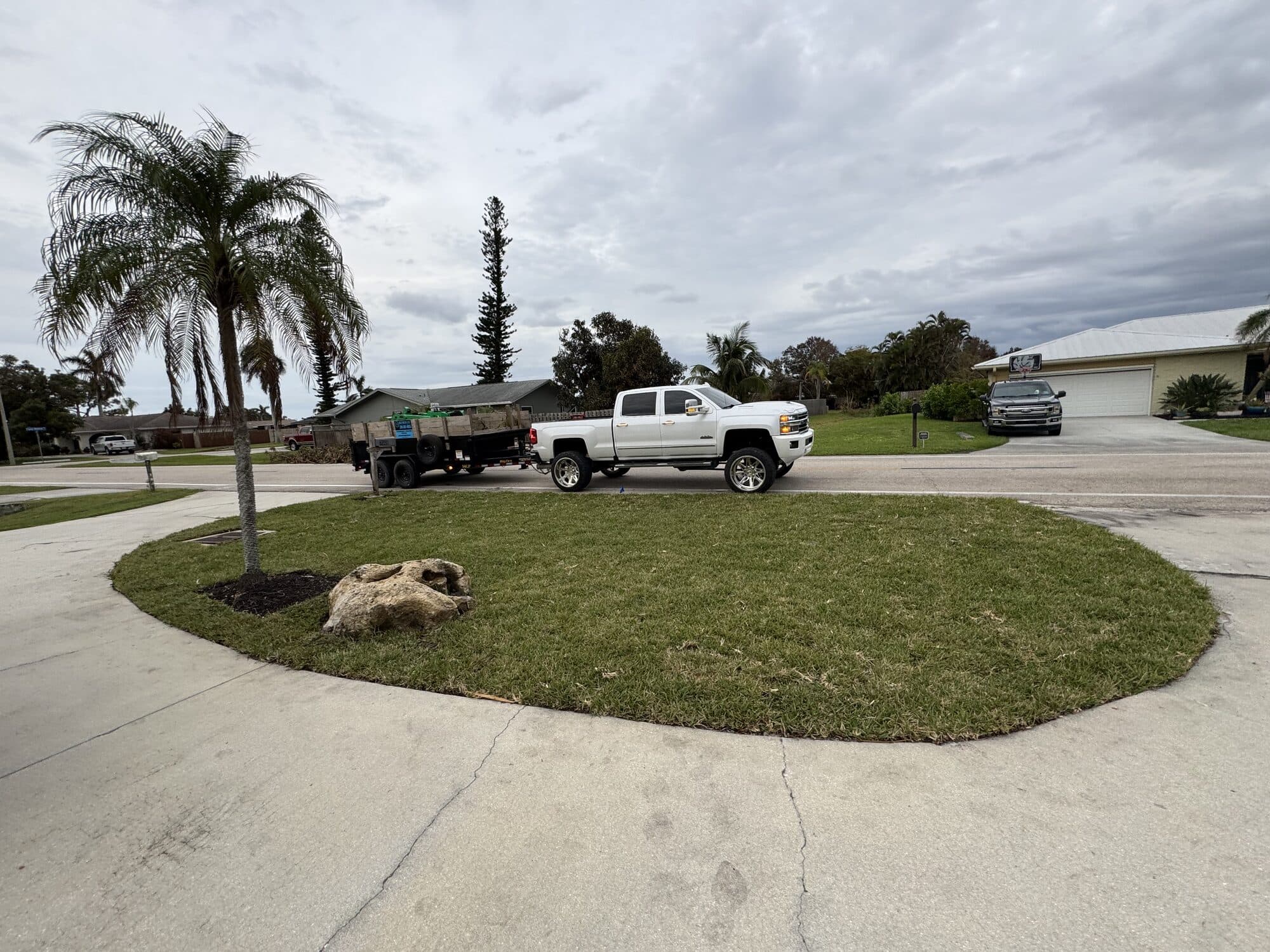
As Cape Coral’s dry season approaches, now is the time for HOA boards and property managers to evaluate and adjust irrigation practices for efficiency and compliance. A seasonal reset ensures systems are optimized for the unique challenges of Southwest Florida’s climate.
Soil Considerations in Southwest Florida
Southwest Florida’s soil types vary, but many HOA properties feature sandy or clay-based soils that drain quickly or retain water unevenly. A dry season irrigation reset should begin with a soil audit to understand how water is absorbed and retained.
- Sandy soils require more frequent, shallow watering to avoid runoff.
- Clay soils may need less frequent, deeper watering to prevent compaction.
- Consider soil testing to determine pH and nutrient levels, which can impact plant health and water usage.
Salt and Water Management in Coastal Areas
For HOA properties near the coast, salt buildup from irrigation water and ocean spray can damage lawns and plants. A seasonal reset should include a review of water sources and irrigation practices to mitigate salt accumulation.
- Use fresh water sources when possible, especially for high-traffic areas.
- Monitor and clean irrigation nozzles regularly to prevent salt deposits.
- Consider using soil amendments like gypsum to reduce salt effects on plant roots.
Heat and Dry Season Watering Strategies
Cape Coral’s dry season brings high temperatures and increased evaporation rates, making irrigation management critical. Efficient watering schedules and system checks are essential to avoid overuse and ensure coverage.
- Water early in the morning to reduce evaporation and runoff.
- Check for leaks or broken sprinkler heads that waste water.
- Adjust irrigation zones based on plant types and water needs.
Managing Rainy and Dry Season Transitions
HOA irrigation systems must be adaptable to seasonal changes, especially in Southwest Florida where rainfall can be unpredictable. A dry season reset should include reviewing past irrigation data and adjusting for the transition from rainy to dry months.
- Review irrigation logs from the previous rainy season to identify overwatering or under-watering patterns.
- Ensure irrigation controllers are programmed for seasonal changes.
- Schedule a professional inspection to verify system readiness for dry season demands.
HOA Rules and Irrigation Compliance
HOA boards have specific rules about irrigation schedules, water usage, and landscape maintenance. A seasonal reset provides an opportunity to ensure compliance and avoid potential conflicts or fines.
- Review HOA covenants, conditions, and restrictions (CC&Rs) regarding irrigation.
- Coordinate with property managers to schedule maintenance that aligns with HOA rules.
- Document all irrigation adjustments and share updates with residents as needed.
Lee County Norms and Best Practices
Lee County has specific norms around water conservation and landscape maintenance, especially during the dry season. Understanding these local expectations can help HOA boards and property managers maintain compliance and avoid unnecessary water use.
- Follow Lee County water conservation guidelines for irrigation schedules and water use.
- Participate in local water management programs that promote efficient irrigation practices.
Take Control of Your Irrigation System
A dry season irrigation reset is a practical step to ensure your HOA or property’s landscape remains healthy and efficient. By focusing on soil, salt, heat, seasonal transitions, HOA rules, and Lee County norms, you can create a more sustainable and cost-effective irrigation plan.
For expert assistance with irrigation management tailored to Cape Coral and Lee County, visit our service area page or learn more about our irrigation management services. If you have questions or need help with a seasonal reset, feel free to contact us directly at (239) 799-5594.
Coastal Salt Air Considerations
Cape Coral's proximity to the Gulf of Mexico means that salt air can affect irrigation systems and plant health over time. This exposure can lead to increased soil salinity, which can harm plant roots and reduce irrigation efficiency. To combat this, HOA managers should regularly inspect irrigation lines for signs of corrosion and consider using drip irrigation in sensitive areas to minimize salt accumulation on the soil surface. Using mulch around plantings can also help reduce salt exposure by acting as a barrier. Additionally, selecting salt-tolerant plant species for coastal areas can reduce the need for excessive watering and maintenance. By addressing salt air effects proactively, HOAs can protect their landscapes and ensure irrigation systems remain functional and efficient throughout the year.
Wildlife and Pest Management in Irrigation Zones
In Southwest Florida, irrigation zones are often attractive to local wildlife and pests, which can disrupt system performance and damage landscape health. Birds, raccoons, and insects may be drawn to water sources, leading to clogged nozzles, broken lines, and increased maintenance needs. HOAs should consider installing motion-activated sprinklers or using deer-resistant plants in high-traffic zones to deter unwanted visitors. Regularly inspecting irrigation areas for signs of pest activity, such as gnaw marks or insect infestations, can help prevent long-term damage. Additionally, using organic pest control methods aligns with water conservation efforts and supports a healthier ecosystem. By integrating wildlife and pest management into irrigation planning, HOAs can reduce maintenance costs and ensure a more resilient landscape.