
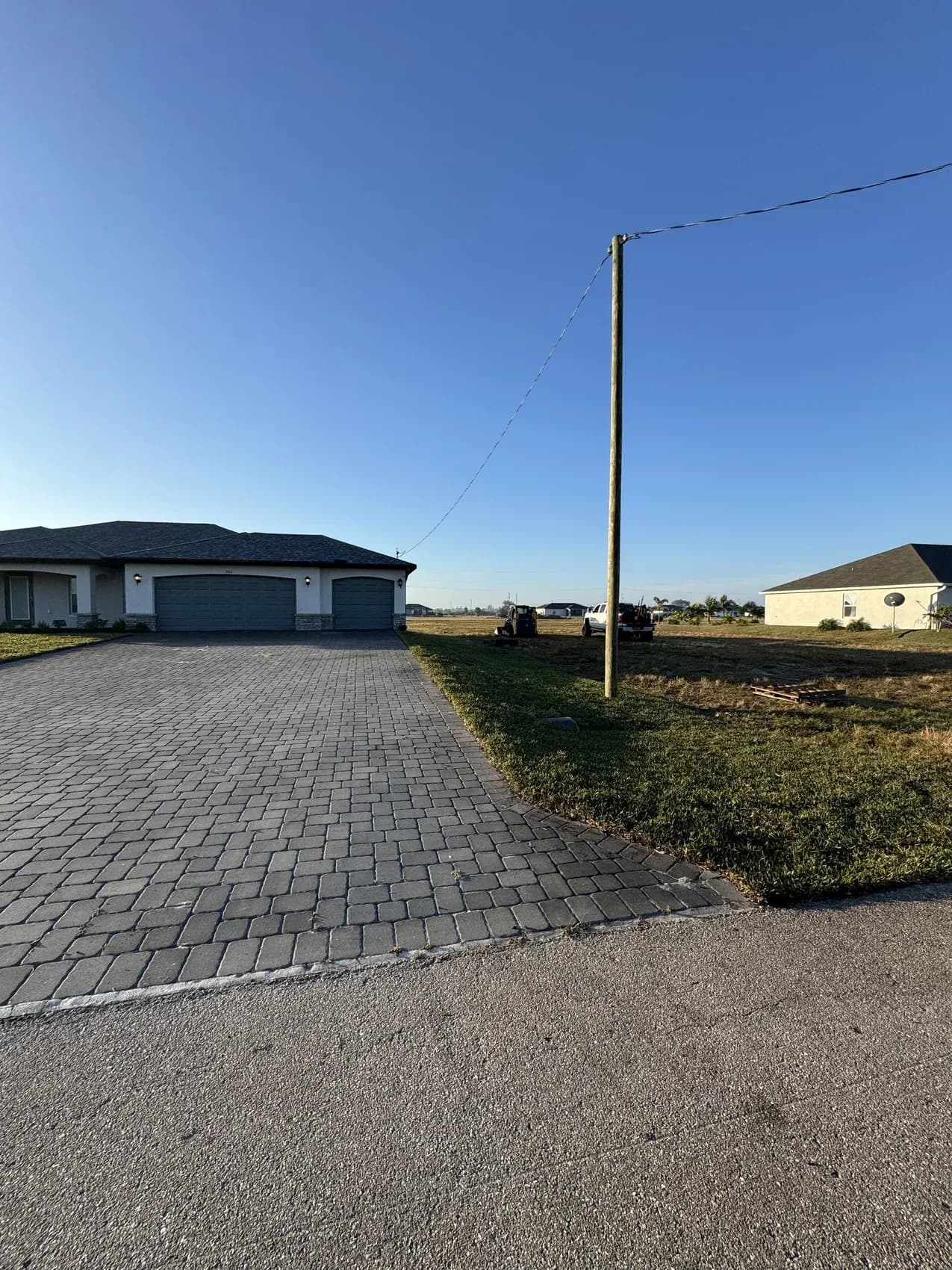
HOA boards and property managers in Southwest Florida need a clear, actionable commercial mowing scope to ensure consistent, professional lawn maintenance across their communities. This guide provides practical, region-specific advice tailored to the unique challenges of Lee, Collier, and Charlotte counties.
Understanding Soil and Climate Conditions
Southwest Florida’s soil is predominantly sandy, which drains quickly and can lead to nutrient depletion. This means regular fertilization and soil testing are essential to maintain healthy grass. The region also experiences high heat and humidity, which can stress lawns and increase the risk of disease. A commercial mowing scope should include provisions for:
- Adjusting mowing schedules during extreme heat
- Using equipment designed for sandy soil conditions
- Incorporating aeration and overseeding into seasonal maintenance plans
Managing Salt and Coastal Influences
For properties near the Gulf Coast, salt spray from the ocean can damage grass and other vegetation. This is especially true in areas like Estero, where coastal winds carry salt inland. A commercial mowing scope should address:
- Use of salt-tolerant grass varieties
- Rinsing equipment after use in high-salt areas
- Additional irrigation to counteract salt buildup
Navigating Rainy and Dry Seasons
Southwest Florida experiences distinct wet and dry seasons, which can impact lawn health and maintenance needs. During the rainy season, standing water and increased humidity can lead to fungal growth and moss. During dry periods, lawns may suffer from drought stress. A well-structured scope should:
- Include provisions for adjusting mowing heights and frequencies based on weather conditions
- Plan for supplemental irrigation during dry spells
- Schedule inspections to monitor for signs of disease or pest infestations
Complying with HOA Rules and Regulations
Each HOA has its own set of rules regarding lawn maintenance, which can vary significantly from one community to another. A commercial mowing scope must align with local HOA requirements, including:
- Specific mowing heights and trimming guidelines
- Restrictions on the use of certain chemicals or fertilizers
- Compliance with noise regulations during mowing hours
It's important to review and document these rules early in the procurement process to avoid disputes or service disruptions.
Lee County Norms and Expectations
In Lee County, commercial landscaping services are often expected to maintain high standards of appearance, particularly in residential and commercial areas. Local norms include:
- Regular inspections and reporting to property managers
- Use of environmentally responsible practices
- Adherence to local waste management and recycling guidelines
A commercial mowing scope tailored to Lee County should reflect these expectations and include clear communication protocols between the service provider and the HOA or property management team.
Creating a Practical Commercial Mowing Scope
A comprehensive commercial mowing scope should outline the following elements:
- Scope of work, including mowing, trimming, edging, and fertilization
- Frequency of service based on season and weather
- Equipment and personnel qualifications
- Communication and reporting procedures
- Compliance with local regulations and HOA rules
This document serves as the foundation for a long-term partnership with a reliable contractor, ensuring that maintenance standards are met consistently.
If you're looking for a commercial landscaping partner that understands the unique needs of Southwest Florida, learn more about our services. For questions or to request a tailored scope, contact us directly.
Addressing Wildlife and Vegetation Encroachment
Southwest Florida is home to a diverse range of wildlife, including deer, armadillos, and various bird species, which can impact lawn maintenance. In areas like the Big Cypress National Preserve and surrounding rural zones, natural vegetation can encroach on commercial properties, especially during the growing season. A commercial mowing scope should account for:
- Regular clearing of invasive plant species that compete with grasses
- Adjusting mowing schedules to avoid disturbing nesting or feeding periods of local wildlife
- Implementing strategies to deter animals from entering mowed areas, such as using natural repellents or fencing
These considerations help maintain lawn quality while supporting the local ecosystem and minimizing conflicts with wildlife.
Adapting to Urban and Suburban Land Use Patterns
In rapidly developing areas such as Cape Coral and Fort Myers, commercial properties often share space with residential neighborhoods, public parks, and mixed-use developments. This urban and suburban blend requires a mowing scope that is flexible and considerate of surrounding land uses. Key considerations include:
- Coordinating mowing times to avoid peak traffic hours and reduce noise disturbance
- Ensuring that mowing practices do not affect adjacent properties, such as by avoiding over-spray or runoff
- Incorporating landscape design elements that blend with the surrounding environment, especially in areas with historic or aesthetic significance
By aligning with the unique land use patterns of Southwest Florida, a commercial mowing scope can support both property maintenance and community harmony.
If you're looking for a commercial landscaping partner that understands the unique needs of Southwest Florida, get a free quote.