
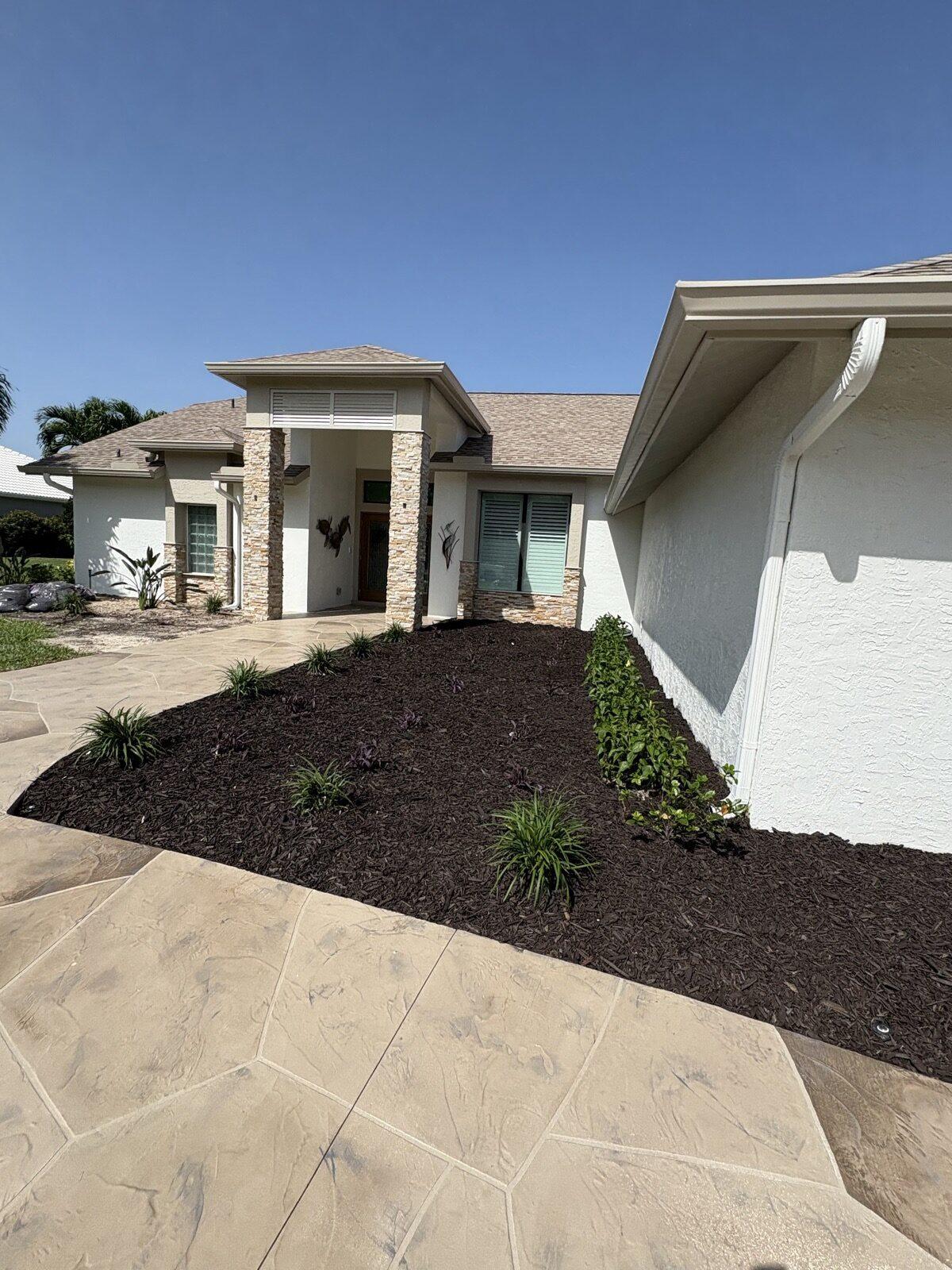
A well-maintained community entrance sets the tone for your neighborhood and reflects your HOA's commitment to quality and appearance. Whether you're looking to enhance curb appeal or ensure consistent maintenance, understanding the unique challenges of Fort Myers' climate and local regulations is key.
Soil Considerations in Fort Myers
Fort Myers has a unique soil composition that affects plant health and growth. The region is characterized by sandy soils with low organic matter, which can lead to rapid drainage and nutrient leaching. To ensure your landscaping thrives:
- Use mulch to retain moisture and reduce evaporation.
- Choose plants that are adapted to sandy soils and require minimal watering.
- Regularly test soil to determine pH and nutrient levels.
- Consider soil amendments to improve structure and fertility.
For more information on how to manage your community's soil, visit our service areas page in Fort Myers.
Managing Salt and Coastal Exposure
Being close to the Gulf of Mexico, many Fort Myers communities experience salt spray from the wind, which can damage plants and lawns. Salt accumulation on leaves and soil can lead to dehydration and long-term plant decline. To combat this:
- Select salt-tolerant plants such as sea oats, mangroves, and certain types of palms.
- Use drip irrigation to minimize salt buildup on foliage.
- Regularly rinse plants with fresh water if salt exposure is severe.
- Avoid over-fertilizing, as this can increase salt sensitivity.
Heat and Drought Resilience
Fort Myers experiences high temperatures and extended dry periods, especially during the summer months. Landscaping must be designed to withstand these conditions without excessive water use:
- Use drought-resistant plants like lantana, salvia, and native grasses.
- Install efficient irrigation systems that deliver water directly to plant roots.
- Group plants with similar water needs together to optimize irrigation.
- Use shade structures or tree cover to reduce heat stress on hardscapes and walkways.
Rainy and Dry Season Planning
Fort Myers has distinct rainy and dry seasons, which impact landscape maintenance needs. Proper planning ensures your community entrance remains attractive year-round:
- During the rainy season, focus on drainage and prevent waterlogging around plantings.
- During the dry season, prioritize irrigation and plant health.
- Use mulch to retain moisture during dry periods.
- Schedule maintenance during the dry season to avoid delays from heavy rain.
Understanding HOA Rules and Lee County Norms
Each HOA has specific rules regarding landscaping, which can include plant types, height restrictions, and maintenance schedules. It's important to stay compliant with these rules to avoid fines or disputes:
- Review your HOA's bylaws and landscaping guidelines regularly.
- Ensure that all landscape work aligns with local regulations and community standards.
- Use professional landscaping services familiar with Lee County and HOA requirements.
- Maintain consistent communication with your HOA board to address any concerns promptly.
For guidance on landscape design and installation that meets HOA and community standards, explore our landscape design and installation services.
A Thoughtful Approach to Community Entrance Landscaping
A well-maintained community entrance is more than just an aesthetic feature - it's a reflection of your HOA's standards and a welcoming presence for residents and visitors alike. By considering soil, salt exposure, heat, seasonal changes, and local regulations, you can create a landscape that is both beautiful and resilient.
If you're looking for a reliable landscaping partner in Fort Myers, we're here to help. Call (239) 799-5594 or text (239) 763-0625 to discuss your community's needs and how we can support your goals.
Incorporating Native Plant Species for Low Maintenance
Incorporating native plant species into community entrance landscaping can significantly reduce maintenance needs while promoting ecological balance. Native plants are adapted to the local climate, soil, and water conditions, making them more resilient to pests, diseases, and extreme weather. Some popular native species in Fort Myers include the Florida privet, saw palmetto, and red yucca. These plants require less water, fertilizer, and pesticides compared to non-native alternatives, which aligns with sustainable landscaping practices. Additionally, native plants support local wildlife by providing food and habitat for pollinators such as bees and butterflies. By selecting native plants, community entrances can maintain a lush, vibrant appearance with minimal effort, ensuring long-term beauty and environmental stewardship.
Utilizing Drought-Tolerant Hardscaping Materials
Choosing the right hardscaping materials is essential for creating a durable and visually appealing community entrance in Fort Myers. Materials such as concrete pavers, natural stone, and permeable gravel are well-suited for the region’s climate, as they can withstand high temperatures and heavy rainfall without cracking or eroding. Permeable pavers, in particular, help manage stormwater runoff by allowing water to seep into the ground, reducing the risk of puddles and erosion around the entrance. Additionally, using light-colored hardscaping materials can help reflect sunlight, reducing the heat island effect and keeping walkways and driveways cooler during the hot summer months. These thoughtful material choices not only enhance the appearance of the entrance but also contribute to a more sustainable and functional outdoor space.
For a tailored approach to your community’s entrance landscaping, get a free quote.