
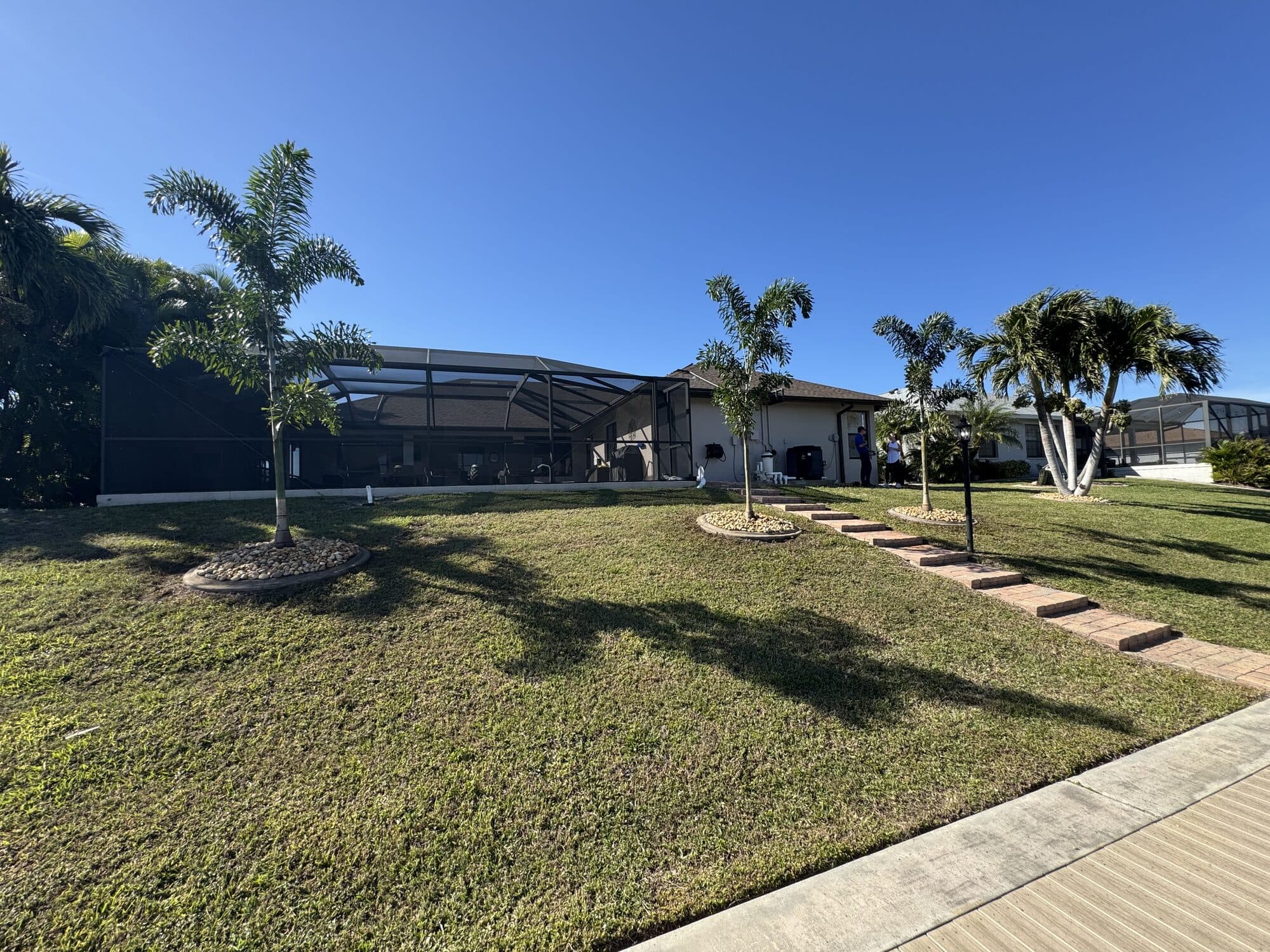
HOA boards and property managers in Southwest Florida face unique challenges when planning hedge replacement programs. Understanding local conditions and HOA guidelines is essential to selecting the right plants and ensuring long-term success.
Soil Considerations in Southwest Florida
Southwest Florida's soil varies from sandy to clay-based, which can impact plant health and growth. Proper soil preparation is critical for any hedge replacement program. Here are some practical steps to consider:
- Test soil pH and nutrient levels before planting.
- Amend soil with organic matter to improve water retention and drainage.
- Choose hedge species that thrive in local soil conditions, such as those with high drainage needs.
For specific plant recommendations, view our plant material and hedge options.
Dealing with Salt and Coastal Exposure
Properties near the Gulf Coast face increased salt exposure, which can damage plants over time. Salt spray from the ocean and roadways can lead to leaf burn, stunted growth, and even plant death if not properly managed.
- Select salt-tolerant hedge species such as hibiscus, sea oats, or certain varieties of juniper.
- Install windbreaks or use landscape buffers to reduce salt exposure.
- Regularly inspect and maintain hedges to mitigate early signs of salt damage.
Heat and Drought Management
Southwest Florida experiences hot summers and dry spells, which can stress newly planted hedges. Proper watering and maintenance are key to ensuring survival and healthy growth.
- Use drip irrigation systems for efficient water delivery.
- Choose drought-resistant hedge species that require less frequent watering.
- Schedule maintenance during cooler parts of the day to reduce water evaporation.
Rainy and Dry Season Planning
The region's seasonal shifts between heavy rainfall and dry periods require careful planning. Hedges need consistent moisture, especially during the dry season, but excess water can lead to root rot and other issues.
- Monitor weather patterns and adjust watering schedules accordingly.
- Install proper drainage systems to prevent water accumulation around hedge roots.
- Use mulch to retain soil moisture and regulate temperature.
Navigating HOA Rules and Regulations
HOA boards must ensure that any hedge replacement program complies with community rules and regulations. These can include height restrictions, species requirements, and maintenance expectations.
- Review HOA guidelines before selecting hedge species or contractors.
- Coordinate with the HOA to ensure proposed plans meet aesthetic and maintenance standards.
- Document all communication and approvals to avoid future disputes.
Lee County Norms and Best Practices
Lee County has specific norms for landscape maintenance that HOA boards and property managers should be aware of. These include preferences for native plants, maintenance frequency, and contractor qualifications.
- Work with local contractors who understand Lee County’s climate and HOA requirements.
- Use native or adapted plant species for better long-term performance.
- Schedule regular inspections to ensure compliance with community standards.
If you're ready to discuss your hedge replacement needs or have questions about the process, contact us to learn more about how BCQ Landscaping can help.
Managing Pest and Disease Pressure in Southwest Florida
Southwest Florida’s warm and humid climate creates ideal conditions for pests and diseases that can threaten hedge health. Common issues include scale insects, spider mites, and fungal infections. Proactive measures are essential to prevent infestations and outbreaks. Regularly inspect hedges for signs of discoloration, webbing, or unusual growth. Use integrated pest management strategies, such as introducing beneficial insects or applying organic-based treatments. Select hedge species that are less prone to pest and disease issues, like sabal palm or native yaupon holly. Proper pruning and air circulation can also reduce the risk of fungal infections. Maintaining healthy soil and proper watering habits further strengthens plant resilience. By staying vigilant and using targeted, eco-friendly treatments, property managers can protect their hedges and avoid costly repairs down the line.
Incorporating Automation and Smart Irrigation Systems
Modern hedge replacement programs in Southwest Florida increasingly benefit from the use of smart irrigation systems that optimize water use and reduce waste. These systems use weather-based sensors and soil moisture monitoring to adjust watering schedules automatically, ensuring hedges receive the right amount of water without over-saturation. Property managers can integrate these systems with existing landscape maintenance plans to improve efficiency and sustainability. Choosing drought-tolerant hedge species that pair well with automated irrigation further enhances long-term success. Smart systems can also be monitored remotely, allowing for quick adjustments in response to changing weather conditions or seasonal demands. This technology is especially valuable in areas with inconsistent rainfall patterns, helping to maintain consistent hedge health while conserving water resources. Implementing these systems can also align with community sustainability goals and reduce maintenance workload over time.
If you're ready to discuss your hedge replacement needs or have questions about the process, get a free quote to learn more about how BCQ Landscaping can help.