
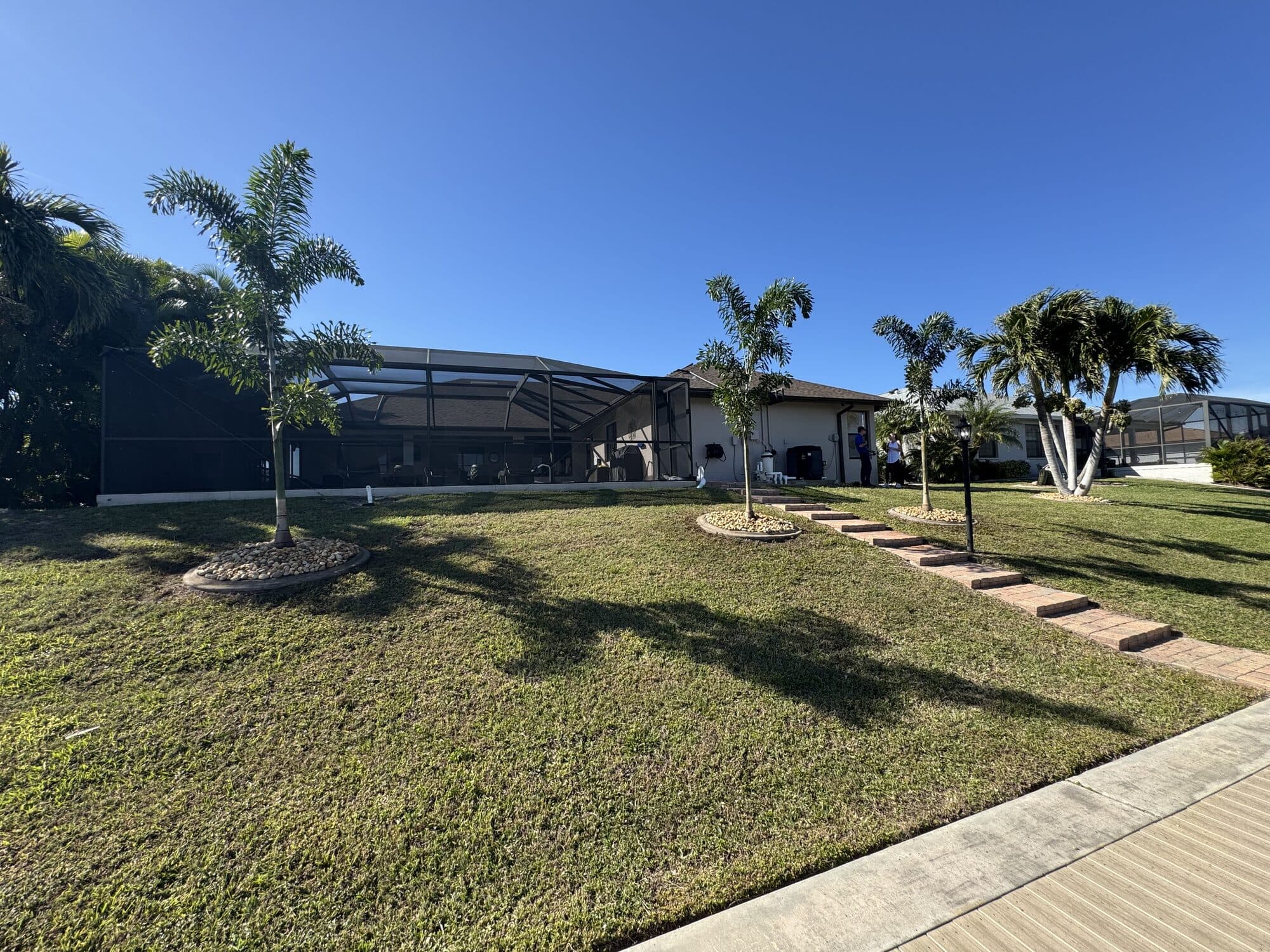
HOA boards and property managers across Southwest Florida are often tasked with evaluating landscape packages for new developments. Understanding the unique challenges of the region - such as soil type, salt exposure, and seasonal weather patterns - is essential for selecting a package that will thrive long-term. This post provides practical guidance tailored to Lee, Collier, and Charlotte counties.
Soil Considerations for Southwest Florida
Southwest Florida’s soil varies significantly, but many areas have sandy or clay-based soils that can be challenging for plant growth. These soil types drain quickly and may lack essential nutrients. When reviewing landscape packages, look for designs that include soil amendments and drainage solutions. Plants that are suited to these conditions, such as native grasses and drought-tolerant shrubs, should be emphasized. A well-prepared soil bed is the foundation for a healthy landscape.
Salt and Coastal Exposure
For developments near the coast or along major waterways, salt exposure can be a major concern. Salt can damage plants, lead to soil degradation, and increase maintenance needs. Landscape packages for these areas should include salt-tolerant plant species and irrigation systems that minimize salt accumulation. It is also important to avoid using materials that can trap salt, such as certain types of mulch or hardscaping. Regular maintenance, such as flushing the soil with fresh water, may also be necessary.
Heat and Drought Management
Southwest Florida experiences long, hot summers and dry spells that can stress even the hardiest plants. Landscape packages should include irrigation systems designed for efficiency, such as drip or micro-sprinkler systems, and plant selections that can withstand high heat and limited water. Incorporating shade trees and using mulch to retain moisture are also effective strategies. Avoiding plants that require frequent watering will reduce long-term maintenance and water use.
HOA Rules and Design Compliance
Each HOA has its own set of rules regarding landscape design, including plant types, hardscaping materials, and irrigation systems. It is crucial to review these guidelines early in the process to ensure that the selected landscape package complies with all requirements. Some HOAs may also have specific preferences for color schemes, plant heights, or maintenance schedules. Working with a landscape contractor who is familiar with local HOA regulations can help avoid costly revisions later.
Lee County Norms and Expectations
Lee County has specific norms for new-construction landscape packages, including minimum plant coverage, irrigation system requirements, and maintenance expectations. Many developments in the area require a certain percentage of native or adaptive plants to promote sustainability and reduce maintenance. It is also common for HOAs to expect regular inspections and maintenance reports from the landscape provider. Understanding these local expectations can help ensure that the selected package meets both regulatory and community standards.
Final Thoughts and Next Steps
Choosing the right new-construction landscape package is a critical decision that impacts the long-term health and appearance of a property. By considering factors like soil type, salt exposure, heat and drought management, HOA rules, and local norms, HOA boards and property managers can select a package that is both effective and sustainable. For more information on landscape design and installation, visit our services page. If you’re ready to begin the process, call (239) 799-5594 or text (239) 763-0625 to schedule a consultation. We look forward to helping you create a landscape that meets your community’s needs.
Pest and Insect Resistance
Southwest Florida’s warm climate creates ideal conditions for a variety of pests and insects, including chinch bugs, armyworms, and fire ants. Landscape packages should incorporate plant species that are naturally resistant to common pests, reducing the need for chemical treatments and long-term maintenance. Using native plants can also help, as they are often more resilient to local insect pressures. Additionally, incorporating beneficial plants that attract natural predators, such as ladybugs or lacewings, can help maintain a balanced ecosystem. Proper drainage and soil preparation also play a role in preventing pest infestations by reducing moisture levels that attract certain insects. Including pest-resistant plant selections and integrated pest management strategies in landscape packages can lead to healthier, more sustainable outdoor spaces with less reliance on synthetic pesticides.
Stormwater and Drainage Solutions
In Southwest Florida, heavy rains and frequent thunderstorms can lead to significant stormwater runoff and drainage issues, especially in new developments. Landscape packages should include thoughtful drainage solutions such as swales, bioswales, and permeable pavers to manage water flow and reduce erosion. Planting deep-rooted grasses and groundcovers can also help absorb excess water and prevent soil compaction. It is important to design landscapes with proper grading to direct water away from building foundations and towards designated drainage areas. Incorporating retention ponds or rain gardens can further enhance water management while adding aesthetic value. These strategies not only protect the property from water damage but also contribute to environmental sustainability by reducing runoff and promoting groundwater recharge. Including these features in landscape packages ensures that new developments are both functional and resilient in the face of Southwest Florida’s variable weather patterns.
For more information on creating a landscape package that meets your community’s needs, get a free quote today.