
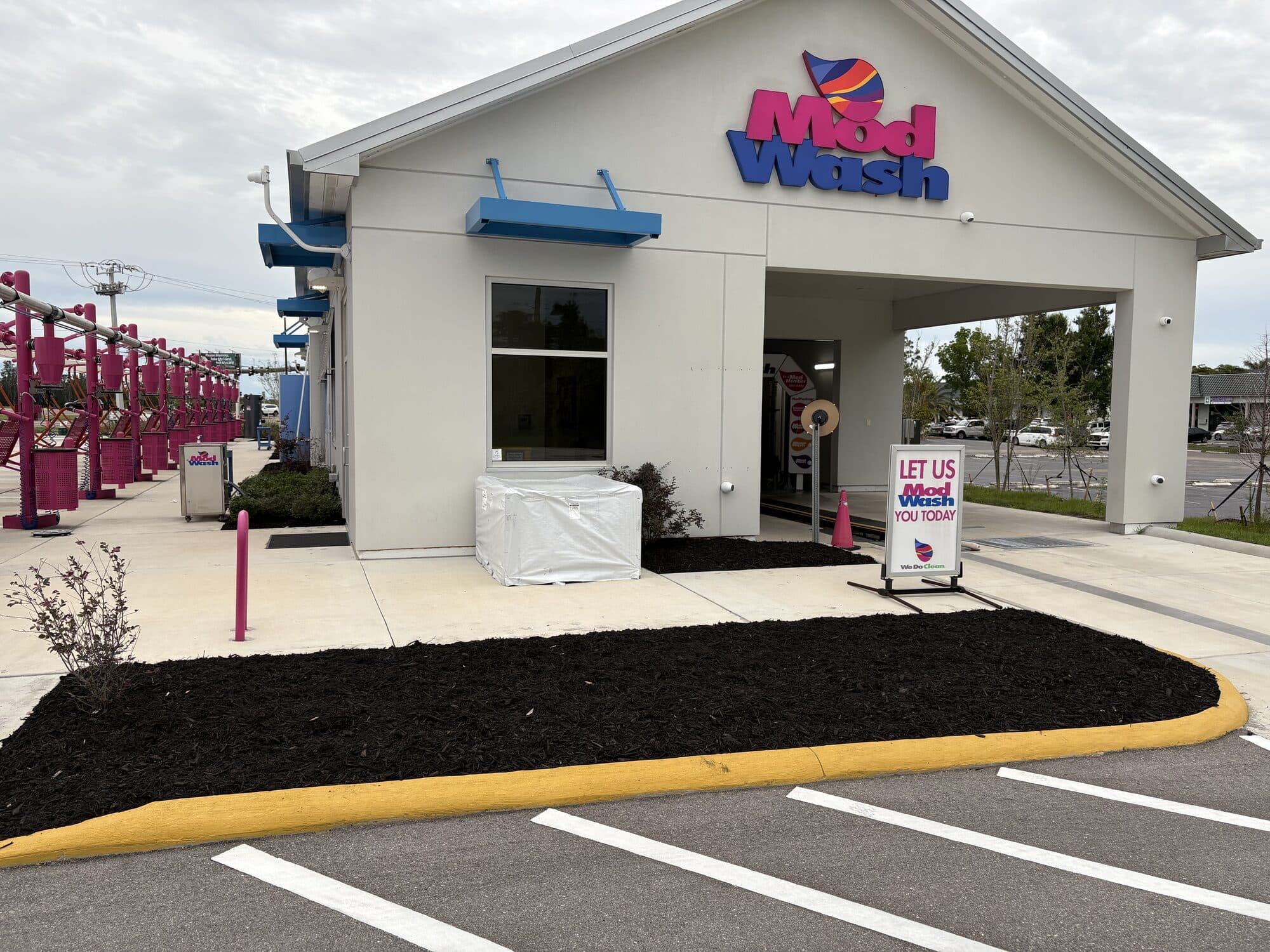
Maintaining a well-kept landscape is essential for any HOA board or property manager in Cape Coral. Proper care ensures curb appeal, property value, and compliance with community standards.
Understanding Local Soil Conditions
Cape Coral’s soil is primarily composed of sandy, well-draining material that can be challenging for plant growth. This type of soil often lacks essential nutrients and retains little moisture. To maintain healthy landscapes:
- Choose native or adapted plants that thrive in sandy conditions.
- Incorporate organic matter such as compost or mulch to improve soil structure and moisture retention.
- Regularly test soil to determine pH and nutrient levels, and apply amendments as needed.
For more information on service areas in Cape Coral, learn more about our service areas here.
Managing Salt and Coastal Exposure
Many communities in Cape Coral are near the coast, which means exposure to salt spray from the Gulf of Mexico. Salt can damage plants, cause leaf burn, and affect soil health.
- Select salt-tolerant plants such as sea oats, sabal palms, and certain grasses.
- Install windbreaks or use physical barriers to reduce salt exposure.
- Rinse foliage with fresh water during high salt periods to prevent buildup.
Dealing with Heat and Sun Exposure
Cape Coral experiences long, hot summers with intense sun exposure. This can stress plants and increase water needs.
- Use shade trees or structures to provide relief for sensitive plants.
- Water early in the morning to reduce evaporation and ensure plants receive maximum benefit.
- Choose drought-tolerant plants that require less frequent watering and can withstand high temperatures.
Navigating Rainy and Dry Seasons
Cape Coral’s climate includes both rainy and dry seasons, each with its own set of challenges for landscape maintenance.
- During the rainy season, ensure proper drainage to prevent waterlogged soil and root rot.
- In dry periods, maintain a consistent watering schedule and monitor for signs of drought stress.
- Adjust maintenance schedules accordingly, such as pruning or fertilizing during cooler months.
Adhering to HOA Rules and Regulations
HOA boards must ensure that all landscape maintenance complies with community rules and regulations. These rules may dictate plant types, mowing heights, and seasonal maintenance tasks.
- Review and understand your HOA’s landscape guidelines before any maintenance work begins.
- Keep detailed records of all maintenance activities to demonstrate compliance.
- Communicate regularly with residents to ensure transparency and address any concerns.
For more information on how to work effectively with your HOA, visit our HOA page here.
Lee County Norms and Best Practices
Lee County, where Cape Coral is located, has specific norms for landscape maintenance that HOA boards and property managers should be aware of.
- Many communities follow seasonal maintenance calendars that align with local climate patterns.
- Use of irrigation systems that are efficient and comply with local water use regulations is encouraged.
- Regular inspections and prompt repairs are essential to maintaining a high standard of care.
Call (239) 799-5594 or text (239) 763-0625 for a consultation on how to best meet Lee County standards.
Final Thoughts
Maintaining a beautiful and functional landscape in Cape Coral requires a deep understanding of local conditions and a commitment to quality maintenance. Whether you're managing a single property or overseeing an entire community, working with a reliable partner can make all the difference.
For assistance with your HOA landscape needs, contact us today.
Managing Pest and Insect Infestations in SW Florida
Cape Coral’s warm, humid climate creates an ideal environment for a variety of pests and insects, including chinch bugs, palmetto pests, and scale infestations. These pests can damage plants, weaken trees, and reduce the overall health of a landscape. Regular inspections are essential to catch infestations early. Using integrated pest management techniques, such as introducing natural predators or applying organic treatments, can help control populations without harming the environment. It's also important to maintain healthy soil and proper plant nutrition, as stressed plants are more susceptible to pest attacks. Keeping the landscape free of debris and ensuring proper drainage can further reduce pest habitats. Working with a local landscaping team familiar with Southwest Florida’s specific pest challenges can ensure long-term success in maintaining a pest-free environment.
Addressing Florida’s Unique Soil and Drainage Needs
The soils in Cape Coral and surrounding areas of Southwest Florida are often sandy and well-draining, which can lead to rapid water loss and nutrient leaching. This presents unique challenges for maintaining lush, healthy landscapes. Amending soil with organic matter such as compost or peat moss can improve water retention and nutrient availability. Installing drip irrigation systems is highly effective in delivering water directly to plant roots, minimizing waste and ensuring consistent hydration. Additionally, raised garden beds or mounded planting areas can help improve soil structure and drainage in low-lying or poorly draining sections of the landscape. Regular aeration and soil testing can also help maintain optimal conditions for plant growth. Understanding the local soil composition and adapting maintenance practices accordingly can lead to more resilient and vibrant landscapes.