
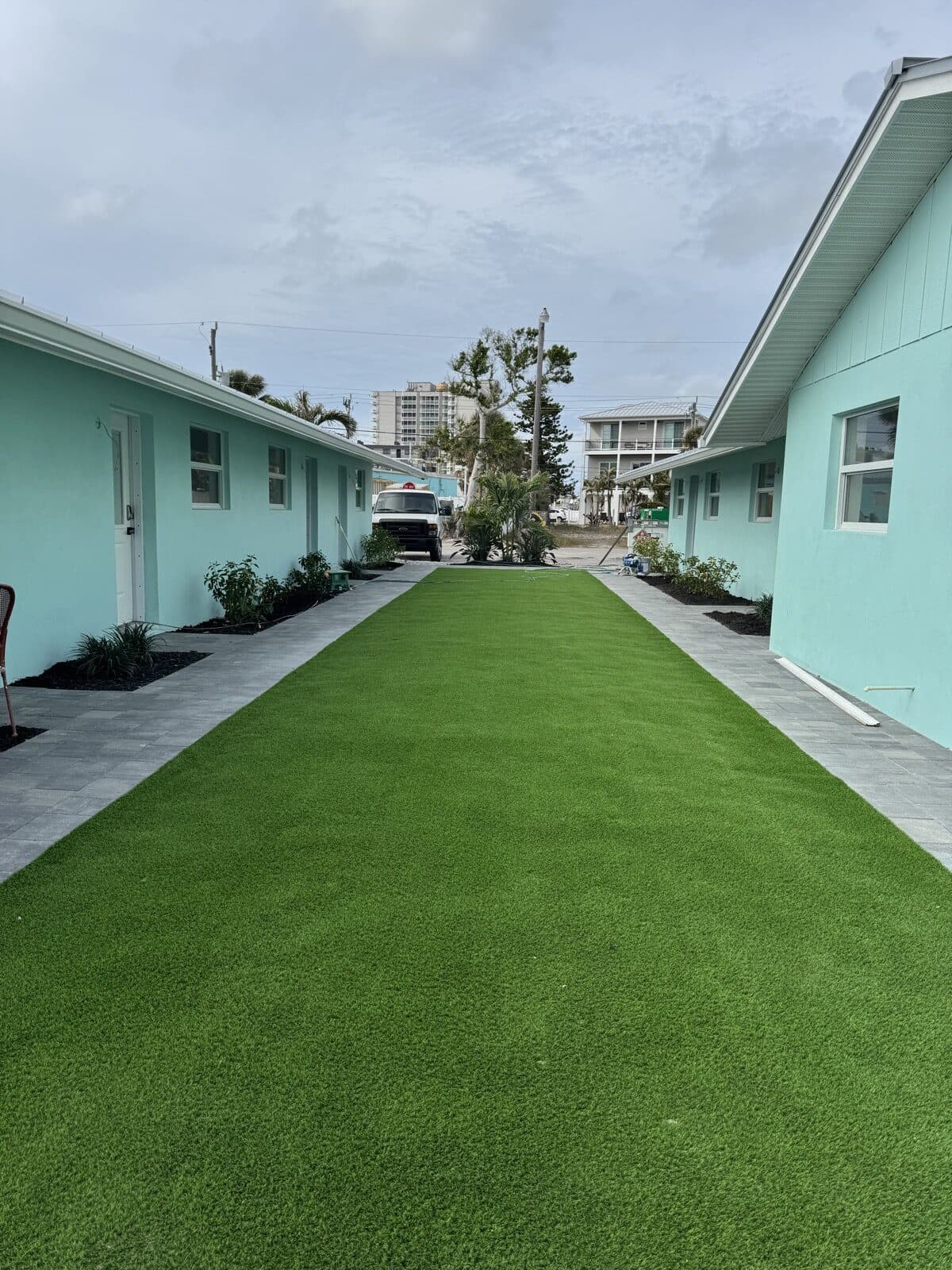
HOA boards and property managers in Naples face unique challenges when it comes to maintaining commercial landscapes. From salt exposure to extreme heat, the climate in Southwest Florida requires a tailored approach to lawn care. This guide offers practical insights to help you manage your property's landscape effectively.
Soil Considerations in Naples
Naples soil is typically well-drained but can be sandy and low in organic matter. This can impact the health of turfgrass and ornamental plants. Regular aeration and topdressing with organic compost can improve soil structure and nutrient retention. Proper drainage is also essential to prevent waterlogging, especially during the rainy season.
- Use a soil test to determine pH and nutrient levels
- Incorporate organic matter to improve soil health
- Monitor for compaction and address it promptly
Managing Salt Exposure
Naples is located along the Gulf Coast, which means many properties are exposed to salt spray from the ocean and inland waterways. Salt can damage plants and cause turfgrass to brown and die. Selecting salt-tolerant plant species is key, and regular rinsing of plants with fresh water can help mitigate salt buildup.
- Choose salt-tolerant grasses and ornamentals
- Rinsing plants with fresh water after storms or high tides
- Avoid using high-salt fertilizers
Heat and Drought in Southwest Florida
Naples experiences long, hot summers with periods of drought. These conditions can stress plants and increase water usage. Drought-tolerant landscaping and efficient irrigation systems are critical. Mulching around plants helps retain moisture and regulate soil temperature.
- Install drip irrigation or smart controllers for water efficiency
- Use mulch to retain soil moisture
- Choose drought-resistant plant varieties
Navigating Rainy and Dry Seasons
Naples has distinct wet and dry seasons, which can affect landscape maintenance schedules. During the rainy season, it's important to ensure proper drainage and avoid overwatering. In dry periods, supplemental watering and soil moisture monitoring become essential to maintain healthy landscapes.
- Adjust irrigation schedules based on seasonal weather patterns
- Inspect drainage systems regularly
- Use soil moisture meters to avoid over or under watering
Understanding HOA Rules and Regulations
HOA boards must ensure that all landscape maintenance activities comply with community rules and regulations. These may include specific requirements for grass height, plant species, and the use of chemicals. Familiarizing yourself with these rules and working with a professional landscaping service that understands local HOA guidelines can help avoid conflicts and ensure compliance.
- Review your HOA's landscape maintenance policies
- Work with a service that is familiar with local HOA standards
- Keep records of all maintenance activities for compliance
Lee County Norms and Best Practices
Lee County, which includes Naples, has specific norms for commercial landscape maintenance. Local regulations may influence the types of plants used, the frequency of maintenance, and the use of certain chemicals or equipment. Staying informed about local practices and working with a local contractor can help ensure your property meets all expectations.
Learn more about our service areas in Naples. Explore our commercial landscape maintenance services. Contact us for a consultation.
Call (239) 799-5594 or text (239) 763-0625 to discuss your landscape maintenance needs. We're here to help you maintain a beautiful, well-kept property that meets the standards of your community. Contact us today to get started.
Dealing with Pest Pressure in Southwest Florida
Southwest Florida's warm and humid climate creates ideal conditions for a variety of pests, including chinch bugs, armyworms, and various types of nematodes that can damage turfgrass. Regular inspection and early detection are essential to preventing widespread infestations. Using integrated pest management strategies, such as encouraging natural predators and applying targeted treatments when necessary, can help maintain a healthy lawn without over-relying on chemical solutions. It's also important to maintain proper lawn height and avoid excessive thatch buildup, as these conditions can attract pests and make them harder to control. Staying proactive with pest management helps ensure a lush, green lawn throughout the year.
Maintaining Turf Health in Coastal Areas with High Sun Exposure
Properties in Naples that are located near the coast or in areas with minimal tree cover experience intense sun exposure throughout the day. This can lead to rapid evaporation of soil moisture and increased stress on turfgrass. To combat this, it's important to use shade-tolerant grass species where possible and to ensure that irrigation is timed to minimize water loss. Applying a layer of mulch or using ground covers in non-turf areas can also help reduce the heat load on the landscape. Additionally, using reflective mulches or light-colored stones in walkways and hardscaping can help lower surface temperatures and create a more comfortable outdoor environment.