
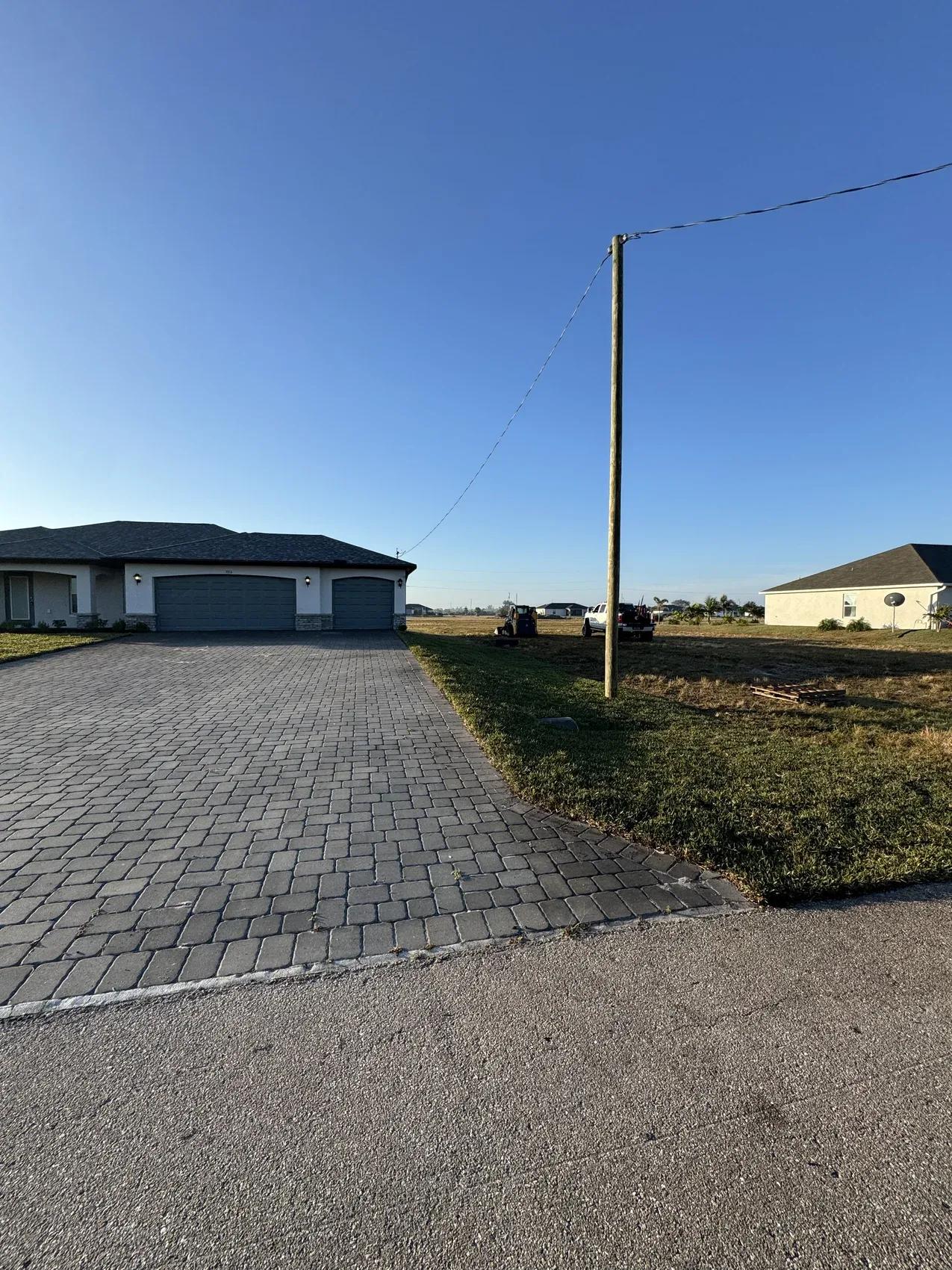
HOA boards and property managers in Southwest Florida face unique challenges when it comes to maintaining landscapes that are both aesthetically pleasing and resilient to the region’s climate. A well-defined commercial mowing scope is essential to ensure consistent service, compliance with local regulations, and long-term property value.
Understanding the Gulf Coast Climate
Southwest Florida’s climate is defined by high heat, salt exposure from coastal areas, and distinct rainy and dry seasons. These factors directly impact the health and maintenance needs of turfgrass and ornamental plants. A commercial mowing scope must account for:
- The effects of saltwater spray on coastal properties
- The need for frequent irrigation during dry seasons
- The importance of disease-resistant grass varieties
- The impact of high temperatures on plant stress and growth
A clear scope should address these conditions to ensure that maintenance practices are tailored to the local environment.
Soil and Drainage Considerations
Soil composition and drainage are critical in Lee, Collier, and Charlotte counties. Poor drainage can lead to root rot and other plant diseases, while compacted soil can hinder growth. A commercial mowing scope should include:
- Regular soil testing and amendment recommendations
- Drainage improvements where necessary
- Use of appropriate fertilizers that match local soil conditions
- Coordination with irrigation systems to avoid over-saturation
These considerations help maintain healthy landscapes that require less frequent intervention and are more resistant to pests and diseases.
Navigating HOA Rules and Regulations
Each HOA has specific rules about landscape maintenance, including mowing frequency, plant height, and acceptable types of vegetation. A commercial mowing scope should align with these rules to avoid conflicts and ensure compliance. Key points to include:
- Specific mowing schedules based on HOA requirements
- Guidelines for trimming and pruning ornamental plants
- Documentation of compliance with HOA rules
- Clear communication channels between the landscaping provider and HOA board
By adhering to HOA rules, property managers can avoid fines and disputes, and ensure that the landscape remains in line with community standards.
Lee County Norms and Expectations
Lee County has particular norms for commercial landscaping that reflect the region’s climate and community expectations. A commercial mowing scope should be informed by these local practices:
- Frequency of mowing and trimming based on seasonal changes
- Use of local plant species that thrive in Southwest Florida
- Coordination with local municipalities for any required permits or inspections
- Use of environmentally responsible practices, such as reducing chemical use
Understanding these local norms ensures that the landscaping service is both effective and in line with community expectations.
Creating a Practical Scope of Work
A practical commercial mowing scope should be detailed yet flexible enough to address changing conditions. It should include:
- Clear service frequency and timing
- Scope of work for mowing, trimming, and edging
- Use of appropriate equipment for local terrain and vegetation
- Communication protocols for reporting issues or changes
By defining these elements upfront, HOA boards and property managers can ensure that the service provider delivers consistent, high-quality results that meet the needs of the property and its residents.
Final Thoughts and Next Steps
A well-structured commercial mowing scope is essential for maintaining the appearance and health of landscapes in Southwest Florida. By addressing local climate, soil conditions, HOA regulations, and community expectations, property managers can ensure that their landscaping services are both effective and compliant.
If you're ready to create a customized commercial mowing scope for your property, learn more about our services. For assistance in developing your scope or to discuss your specific needs, contact us today. Call (239) 799-5594 or text (239) 763-0625.
Managing Invasive Species in Southwest Florida
Southwest Florida faces unique challenges from invasive plant species such as Brazilian pepper, cogongrass, and air potato, which can quickly overtake native vegetation and disrupt local ecosystems. A commercial mowing scope should account for these invasive species by incorporating targeted removal strategies and ongoing monitoring. This includes identifying and mapping invasive growth areas, using environmentally safe removal techniques, and integrating preventive measures to avoid reinfestation. Working with local conservation groups or extension services can provide valuable insights into the most effective management practices. By addressing invasive species proactively, property managers can protect the integrity of the landscape and support local biodiversity, ensuring that mowing and maintenance efforts contribute positively to the environment.
Seasonal Adjustments for Coastal Properties
Properties located along the coast in Lee, Collier, and Charlotte counties face unique challenges due to salt spray, high winds, and fluctuating tides. A commercial mowing scope for these areas should include specific adjustments to account for these environmental factors. This may involve using salt-tolerant plant species, implementing more frequent trimming of coastal vegetation to prevent encroachment onto walkways or structures, and ensuring that irrigation systems are designed to minimize salt accumulation in the soil. Additionally, equipment used for mowing and trimming should be suitable for sandy or uneven coastal terrain. By tailoring maintenance practices to the specific needs of coastal properties, landscaping services can ensure long-term sustainability and aesthetic appeal, even in the face of harsh coastal conditions.